
How Boutique Brokerages Beat the Real Estate Conglomerates
How Boutique Brokerages Beat the Real Estate Conglomerates
Why the future of real estate may belong to smaller, sharper firms
The real estate industry is entering one of the most significant consolidation phases in decades.
Major players are racing to control every stage of the transaction:
• Search
• Lead generation
• CRM systems
• Transaction management
• Mortgage
• Title and closing
• Post-closing client relationships
Large organizations are merging, partnering, and acquiring technology platforms to build massive real estate ecosystems designed to keep consumers inside their platforms.
Compass has expanded aggressively through acquisitions.
Zillow owns critical workflow tools like dotloop and Follow Up Boss.
Rocket Companies has moved from mortgage into brokerage and real estate portals through major acquisitions and partnerships.
The goal of these companies is clear:
Control the entire real estate pipeline.
From the moment a consumer begins searching for a home…
to the closing table…
to the mortgage servicing that follows.
At first glance, this level of consolidation might appear intimidating for smaller brokerages.
But history across nearly every industry shows the opposite outcome.
When large corporations consolidate, boutique specialists often become stronger than ever.
Real estate may be entering exactly that moment.
The Hidden Weakness of the Conglomerate Model
Large real estate corporations rely on scale and systemization.
They operate like massive machines designed to handle thousands of transactions across dozens of markets.
But scale comes with tradeoffs.
Large organizations often struggle with:
• Slow decision making
• Corporate bureaucracy
• Agent turnover
• Reduced local knowledge
• Platform lock-in
• One-size-fits-all strategies
Consumers are rarely looking for a national real estate platform.
They are looking for:
• A trusted advisor
• A skilled negotiator
• A local market expert
• Someone who can guide them through one of the biggest financial decisions of their lives
That is where boutique brokerages win.
The Boutique Brokerage Advantage
Boutique brokerages do not compete by trying to be a smaller version of a big company.
They compete by being fundamentally different.
The best boutique firms focus on four major advantages.
1. Hyper-Local Expertise Beats National Branding
Large brokerages sell brand recognition.
Boutique brokerages sell market command.
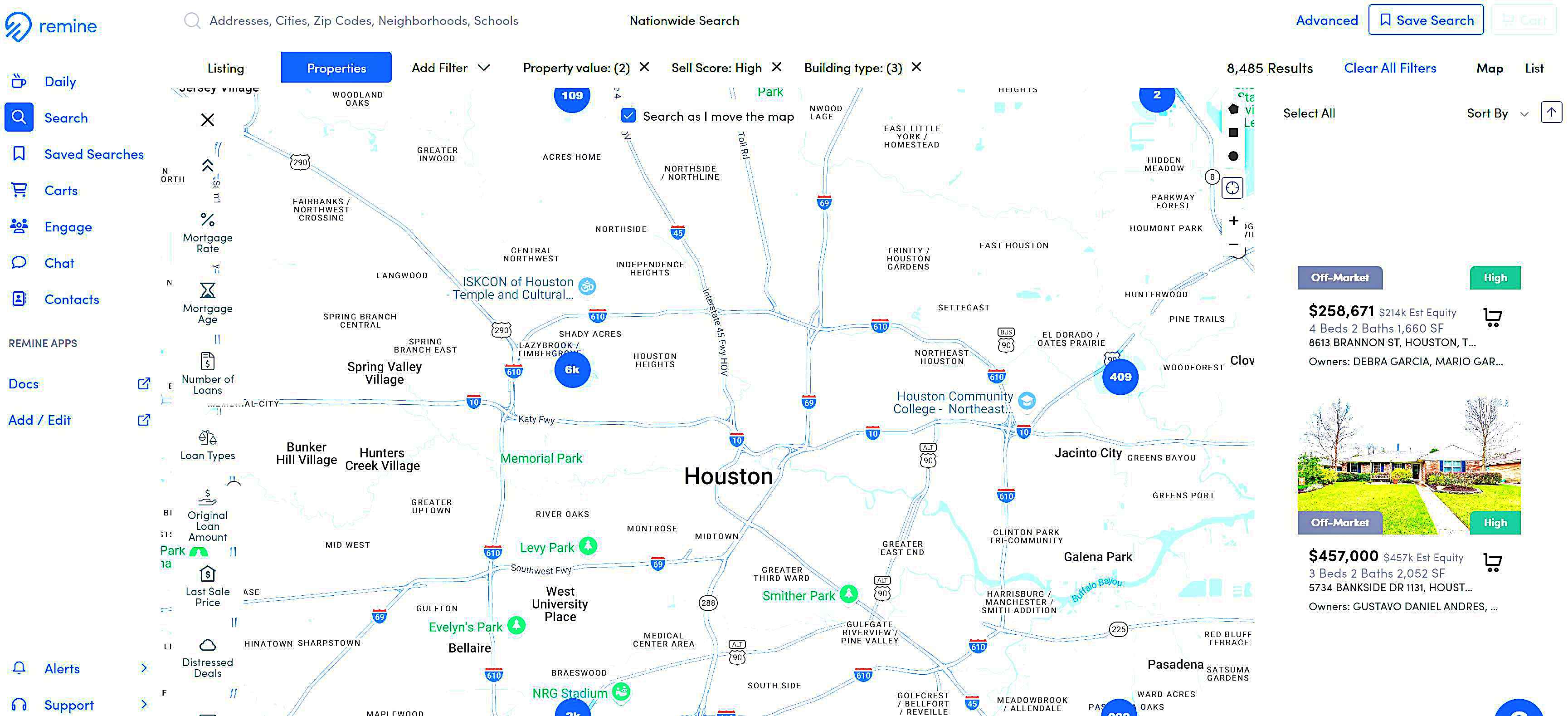
A strong boutique brokerage becomes the authority on:
• specific neighborhoods
• school districts
• zoning changes
• development pipelines
• local pricing trends
• builder incentives
• insurance issues
• flood zones and environmental risks
Consumers quickly recognize the difference between:
Someone who works in a market
and someone who owns the knowledge of that market.
The boutique brokerage wins by becoming the local intelligence center.
2. Speed Beats Corporate Bureaucracy
One of the most underestimated advantages of a boutique brokerage is speed.
In large organizations, agents often wait for approvals, support tickets, or management layers.
In a boutique brokerage:
• Brokers are accessible
• Decisions are made quickly
• Marketing launches faster
• Deals move faster
• Problems get solved immediately
Real estate transactions are emotional and time-sensitive.
Speed often determines who wins a listing or closes a deal.
3. Relationships Beat Algorithms
Large real estate platforms are increasingly driven by data, algorithms, and lead distribution systems.
But real estate remains a relationship business.
Boutique brokerages succeed because they build deeper connections with:
• past clients
• local vendors
• lenders
• attorneys
• builders
• investors
• community leaders
These relationships produce something algorithms cannot easily replicate:
Trust and referral business.
In many markets, referrals still account for a large percentage of successful transactions.
4. Specialization Beats Generalization
Large brokerages often promote broad services designed to fit every market.
Boutique firms can specialize in ways large companies cannot.
Examples include:
• investor transactions
• relocation clients
• probate and estate sales
• luxury properties
• waterfront or coastal homes
• first-time buyers
• new construction representation
Specialization builds authority and reputation, which naturally attracts more business.
The Strategy Smart Boutique Brokerages Use
Successful boutique brokerages focus on building a high-performance operating system instead of a massive corporate structure.
That operating system includes five key components.
1. Relationship-Focused CRM Systems
Boutique firms use CRM technology not to replace relationships but to strengthen them.
A well-structured CRM allows agents to manage:
• sphere of influence
• past clients
• referral sources
• investors
• prospects
• community contacts
Technology becomes a relationship amplifier, not a replacement for human interaction.
2. Local Market Intelligence
Boutique firms build internal market reports and analysis that agents can use to educate clients.
Examples include:
• absorption rate tracking
• neighborhood price trends
• buyer demand shifts
• seller concession trends
• builder incentive changes
• insurance cost impacts
Agents who understand these trends become trusted advisors rather than simple salespeople.
3. High-Touch Client Experience
Boutique brokerages often deliver a level of service that larger organizations struggle to match.
Clients receive:
• personalized strategy sessions
• detailed pricing analysis
• proactive communication
• curated vendor recommendations
• strategic negotiation guidance
This “white-glove” experience creates long-term relationships and referrals.
4. Strategic Partnerships
Instead of owning every service internally, boutique firms often partner with trusted professionals:
• lenders
• title companies
• inspectors
• contractors
• insurance advisors
• estate attorneys
These partnerships create a strong network without sacrificing independence.
5. Agent Empowerment
Large organizations often centralize decisions and systems.
Boutique brokerages empower agents by giving them:
• flexibility in marketing
• ownership of their client database
• direct broker access
• mentorship and collaboration
• freedom to build their personal brand
For many experienced agents, this autonomy is a major advantage.
Why This Matters for Agents
The consolidation happening in the real estate industry is not just about companies.
It affects agents as well.
Agents working inside large systems sometimes find themselves:
• competing for internal leads
• dependent on corporate platforms
• limited by company policies
• disconnected from leadership
Boutique brokerages offer a different model.
Instead of being a number in a massive organization, agents can operate as entrepreneurs supported by a strong brokerage framework.
This combination of independence and support is becoming increasingly attractive to experienced agents.
The Future of Real Estate May Belong to the Specialists
The real estate industry will continue to evolve.
Large corporations will keep expanding their platforms and ecosystems.
But real estate has always been built on something that cannot easily be scaled:
local knowledge and personal relationships.
That is why boutique brokerages continue to thrive even during periods of consolidation.
They offer something many large systems cannot easily provide:
• agility
• authenticity
• local authority
• personalized service
In a world of growing corporate platforms, the boutique brokerage model may become more valuable than ever.
Final Thoughts
Real estate is not just a transaction.
It is a major life decision that requires guidance, strategy, and trust.
Boutique brokerages succeed because they focus on those human elements while still using modern technology and systems to operate efficiently.
The future will likely include both large platforms and specialized boutique firms.
But agents who value independence, expertise, and meaningful client relationships may find that the boutique model offers the strongest long-term opportunity.
About Smith Family Realty Texas
Smith Family Realty Texas is a boutique brokerage built around the idea that great agents deserve strong systems without sacrificing independence.
Our focus is simple:
• local expertise
• agent empowerment
• advanced technology
• high-level training
• strong community relationships
If you're an agent who wants to build a career rather than simply plug into a corporate system, we would love to start a conversation.
Frequently Asked Questions About Boutique Real Estate Brokerages
FAQ Section
What is a boutique real estate brokerage?
A boutique real estate brokerage is a smaller, independent firm that focuses on personalized service, local market expertise, and strong agent support rather than large-scale corporate operations. Boutique brokerages often emphasize collaboration, flexibility, and deep community knowledge.
Why are some real estate agents leaving large brokerages?
Some agents are leaving large brokerages to gain greater independence, stronger mentorship, faster decision-making, and more control over their business. Boutique brokerages often provide closer leadership access and a more collaborative environment.
Can boutique brokerages compete with large real estate companies?
Yes. Boutique brokerages often compete effectively by focusing on hyper-local market expertise, personalized service, strong client relationships, and faster operational decision-making.
Are boutique brokerages better for experienced agents?
Many experienced agents prefer boutique brokerages because they offer flexibility, direct broker access, and the ability to build a personal brand while still benefiting from brokerage support systems.
What advantages do boutique brokerages offer clients?
Clients often benefit from boutique brokerages through more personalized service, stronger communication, local market expertise, and agents who can provide tailored strategies for buying or selling real estate.


